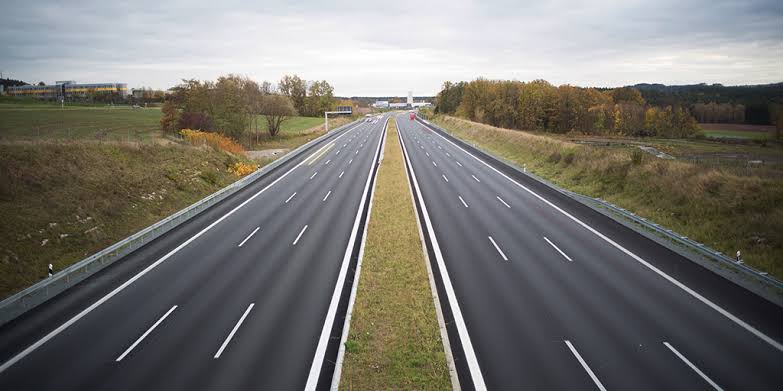
Road Marking
Reflective Glassbeads
High-Performance Glass Beads for Reflective Road Markings
Road marking glass beads are essential materials used to improve the visibility and retroreflective performance of road markings, particularly during nighttime and low-light conditions. By reflecting vehicle headlights back toward the driver, high-quality glass beads help road markings remain clearly visible and contribute to safer road environments.
Our road marking glass beads are designed for use with a wide range of road marking systems and can be supplied in different particle sizes and specifications according to application requirements



What Are Road Marking Glass Beads?
Road marking glass beads are small, spherical particles manufactured from specially processed glass and applied to road marking materials such as paints, thermoplastic markings, and other pavement marking systems.
When light from a vehicle’s headlights reaches the glass beads, the beads refract and reflect the light back toward the driver’s line of sight. This optical effect, known as retroreflection, makes road markings more visible at night.
The performance of glass beads depends on several factors, including their particle size, roundness, refractive index, transparency, surface condition, and application method.
Why Are Glass Beads Used in Road Marking?
The primary purpose of glass beads is to provide nighttime retroreflectivity.
Without reflective glass beads, conventional road marking materials may have limited visibility when illuminated by vehicle headlights. Properly applied glass beads enhance the optical performance of the marking and help drivers identify lane lines, edge lines, traffic symbols, pedestrian crossings, and other road markings.
Glass beads can provide:
- Improved nighttime visibility
- Enhanced retroreflectivity
- Better recognition of road markings
- Improved visibility in low-light conditions
- Long-term optical performance when properly selected and applied
- Compatibility with different road marking materials
How Do Road Marking Glass Beads Work?
The optical performance of glass beads is based on the principle of retroreflection.
When a vehicle’s headlights illuminate a road marking, the light enters the glass bead. Due to the optical properties of the glass, the light is redirected toward its original source, allowing a portion of the light to return toward the driver.
The effectiveness of this process depends on the correct combination of:
Glass bead quality + bead size + optical properties + application depth + road marking material
Proper application is therefore just as important as the quality of the glass beads themselves.
Drop-On Glass Beads
Drop-on glass beads are applied directly onto the surface of freshly applied road marking material. The beads become partially embedded in the marking while a portion of their surface remains exposed to receive and reflect light.
This application method is widely used for traffic lines, highway markings, pedestrian crossings, and other pavement marking applications.
Key Specifications of Road Marking Glass Beads
Selecting the correct glass beads requires attention to several technical characteristics.
Refractive Index
Refractive index is one of the most important optical properties of glass beads. It influences how effectively light is refracted and returned toward the light source.
Particle Size
Particle size affects both the application process and the resulting retroreflective performance. Different road marking systems require different bead size distributions.
Roundness
A high degree of sphericity and roundness helps provide consistent optical behavior and contributes to effective retroreflection.
Transparency
Clear and transparent glass allows light to enter and interact with the bead effectively. The optical cleanliness of the glass is therefore an important quality characteristic.
Surface Condition
The surface of the glass bead can influence both optical performance and adhesion to the road marking material. Clean and properly processed beads are essential for consistent application.
Applications
Road marking glass beads are used in a wide range of pavement marking applications, including:
Highway and motorway markings
Urban road markings
Lane lines and edge lines
Center lines
Pedestrian crossings
Stop lines
Traffic symbols and arrows
Parking area markings
Airport and airfield markings
Industrial and private roads
Choosing the Right Road Marking Glass Beads
The correct glass bead should be selected according to the complete road marking system rather than based on a single specification.
Important considerations include:
- Type of road marking material
- Application method
- Required retroreflectivity
- Particle size distribution
- Refractive index
- Traffic volume
- Road and weather conditions
- Application equipment
- Applicable project or regional standards
A properly matched combination of road marking material and glass beads can help achieve consistent optical performance and service life.
Reliable Supply of Road Marking Glass Beads
For road marking contractors, manufacturers, distributors, and infrastructure projects, consistent product quality and reliable supply are important factors when selecting a glass bead supplier.
We supply road marking glass beads in different specifications to meet the requirements of various pavement marking applications. Product specifications, particle sizes, packaging options, and other requirements can be discussed according to project needs.
Request Road Marking Glass Bead Specifications
Looking for glass beads for your road marking project?
Contact us to discuss your required particle size, refractive index, application method, packaging, and quantity.